MAGHREB
THE 30-PILLAR TRAVEL MASTER GUIDE
Experience Morocco
Unveil the secrets of the Maghreb, where ancient traditions meet modern luxury.
Authentic Heritage
Morocco offers a unique blend of Berber, Arab, and Mediterranean influences in every city.
Premium Hospitality
Experience the world-renowned Moroccan welcome with traditional tea ceremonies and luxury service.
Geographic Diversity
From the snow-capped Atlas Peaks to the golden dunes of the Sahara and the blue Atlantic coast.
Modern Evolution
Experience high-speed train networks and stay in internationally acclaimed luxury resorts.
Travel Essentials
Best Seasons
Visit from March to May or September to November for the perfect balance of sun and mild temperatures.
Visa & Entry
Most Western travelers enjoy visa-free entry for 90 days. Ensure your passport is valid for 6 months.
Connectivity
Local 4G/5G SIM cards are available at all airports for high-speed mobile data under $15.
Currency (MAD)
The Dirham is a closed currency. Use local ATMs for the best rates and keep small bills for souks.
Cultural Heritage
Local Etiquette
Dress modestly in rural areas and always ask permission before taking photos of local artisans.
Language Guide
While Arabic (Darija) is official, French and English are widely used in tourism and business.
Religion & Respect
Respect prayer times and local customs during the month of Ramadan for a smooth experience.
Social Tea
Accepting a glass of mint tea is a sign of friendship and mutual respect in Moroccan homes.
Getting Around
High Speed Rail
The Al Boraq train connects Tangier to Casablanca in under 2 hours with luxury seating.
Private Transfers
Our fleet of air-conditioned vehicles ensures comfortable transit between Imperial cities.
City Taxis
Use Petit Taxis for short city trips. Always ask for the 'compteur' (meter) to be turned on.
Grand Taxis
Larger Mercedes vehicles used for shared or private inter-city travel at fixed rates.
Gastronomy & Gifts
Authentic Tagines
Slow-cooked clay pot dishes with organic vegetables and premium mountain saffron.
Souk Bargaining
Haggling is an art. Start at 50% of the price and enjoy the friendly negotiation over tea.
Argan & Spices
Pure Argan oil and Ras El Hanout spices are the most popular authentic souvenirs to take home.
Street Food
Experience Jemaa El Fna's night market for grilled meats, snails, and fresh orange juice.
Active Adventure
Sahara Trekking
Ride camels into the Merzouga dunes for an unforgettable sunset and night under the stars.
Quad Biking
Explore the palm groves of Marrakech or the Agafay stone desert on high-powered ATVs.
Hot Air Balloon
Sunrise flights over the Marrakech plains offer breathtaking views of Berber villages.
Surfing
Taghazout is Africa's premier surf spot with world-class point breaks for all levels.
Tailor-Made Itineraries
Bespoke Routes
Private dinners in the dunes or luxury retreat escapes in Marrakech tailored to you.
Jewish Heritage
Specialized tours exploring the Mellahs and historic synagogues of Fes and Essaouira.
Film Locations
Visit the real-life sets of Game of Thrones and Gladiator in Ouarzazate.
Culinary Tours
Hands-on cooking classes with local chefs to master the art of Moroccan spices.
Reservation Guide
Secure Booking
Confirm your spot with a flexible deposit through our secure encrypted portals.
Payment Options
We accept all major credit cards and bank transfers with instant digital receipts.
Flexible Dates
One-time date changes are permitted up to 14 days before your arrival with no penalty.
Digital Vouchers
Receive all confirmations and driver details directly on your smartphone via PDF.
Client Care
Live Assistance
Dedicated WhatsApp support for real-time help during your entire stay in Morocco.
Emergency Info
Direct links to English-speaking clinics and premium travel insurance providers.
Language Help
Our team is available to translate for you during shopping or transit emergencies.
Concierge Service
Last-minute restaurant reservations or spa bookings handled by our local experts.
Accommodation
Traditional Riads
Stay in boutique courtyard mansions in the heart of the ancient medinas.
Luxury Resorts
5-star international hotels in the Hivernage district with world-class pools.
Desert Glamping
Million-star luxury tents with private bathrooms and gourmet dining in the Sahara.
Eco-Lodges
Sustainable mountain retreats in the High Atlas that support local Berber villages.
Desert Magic
Merzouga Dunes
Experience Erg Chebbi, the highest and most iconic sand dunes in the country.
Stargazing
The Sahara offers zero light pollution, providing the world's best views of the Milky Way.
Nomadic Life
Meet local Berber nomads and learn about their ancient water management systems.
4x4 Dunes
Thrilling off-road expeditions across the desert floor in high-performance SUVs.
Imperial Cities
Fes Medina
The world's largest car-free urban zone and home to the 9th-century university.
Chefchaouen
The iconic Blue City nestled in the Rif Mountains, a photographer's paradise.
Casablanca
Modern economic heart featuring the magnificent Hassan II Mosque on the water.
Spa & Hammam
The Hammam Ritual
Traditional steam bath with black soap and eucalyptus exfoliation for deep cleansing.
Massage Therapy
Relaxing full-body massages using 100% pure organic Argan and rose oils.
Natural Beauty
Discover Ghassoul clay masks and orange blossom waters in ancient spa rituals.
Yoga Retreats
Sunrise yoga sessions overlooking the Atlas mountains or the Atlantic waves.
Beach Escapes
Essaouira
The windy city famous for its blue boats, fresh seafood, and artistic vibe.
Agadir Sun
Modern beach resorts with 300 days of sunshine and 10km of sandy beaches.
Imsouane
A hidden gem for longboarders and those looking for a quiet fishing village vibe.
Oualidia
A tranquil lagoon famous for its flamingo colonies and the best oysters in Africa.
High Atlas Hiking
Mt Toubkal
Scale North Africa's highest peak (4,167m) with our expert mountain guides.
Berber Villages
Hike between remote stone villages and share lunch with a local family.
Ait Bougmez
Known as the Happy Valley, perfect for light trekking and lush scenery.
Dades Gorge
Dramatic limestone canyons with the famous 'monkey fingers' rock formations.
Photography
Golden Hour
The best light for Medina architecture is the hour after sunrise or before sunset.
Legal Ethics
Always ask permission before taking portraits. Some sites require official permits for tripods.
Blue City Shots
Tips for capturing the perfect monochromatic blue streetscapes of Chefchaouen.
Drone Rules
Strict regulations apply; we help you navigate the permit process for aerial content.
Family Travel
Kids Activities
Pottery workshops, camel rides, and treasure hunts in the souks for all ages.
Safety First
Vetted child-seats for all transfers and family-friendly Riad recommendations.
Childcare
Professional English-speaking nannies available for evening assistance at your hotel.
Food for Kids
Custom menus focusing on mild Moroccan flavors like honey crepes and fresh fruits.
Sustainable Travel
Local Impact
We partner with cooperatives where 100% of profits go back to the local artisans.
Water Care
Filtered water provided in all vehicles to reduce single-use plastic bottles.
Solar Camps
Our desert camps are 100% solar powered to protect the fragile Sahara ecosystem.
Reforestation
Join our initiative to plant olive trees in the Atlas to prevent soil erosion.
Global Travel Informer
The Master 12-Pillar Resource for World Exploration
Strategic Budgeting
Allocation Rules
Apply the 40/30/30 method: 40% for fixed costs (hotels/flights), 30% for daily food/transit, and 30% for spontaneous experiences and local shopping.
Currency Management
Always use "Local Currency" at ATMs to avoid dynamic conversion fees. Carry a backup card from a different network (Visa + Mastercard).
Hidden Cost Shield
Research "City Taxes" in Europe and "Resort Fees" in North America. These are often not included in the upfront booking price.
Expense Tracking
Use apps like Splitwise for group trips or TravelSpend for solo journeys to visualize where your money is going in real-time.
Health & Safety
Insurance Audits
Verify your policy includes "Adventure Sports" coverage if you plan to hike or dive. Keep the emergency 24/7 hotline saved in your phone.
Medical Kits
Pack personalized "Med-Packs" containing broad-spectrum antibiotics, rehydration salts, and copies of your physical prescriptions.
Crisis Communication
Register with your home country's embassy (e.g., STEP for Americans). Share your live location with a trusted contact during solo transit.
Digital Hygiene
Use a premium VPN (NordVPN/ExpressVPN) for all banking transactions on public Wi-Fi. Enable 2-Factor Authentication on all travel accounts.
Cultural Etiquette
Dress Respectfully
In many regions, covering shoulders and knees is mandatory for temples. Always carry a lightweight scarf to adapt to local modesty norms.
Social Gestures
Research localized gestures; for instance, avoid using your left hand for eating in parts of the Middle East and Africa.
Dining Protocols
Understand tipping: in Japan it is often seen as an insult, while in the USA it is a mandatory 18-25% of the total bill.
Language Nuance
Learn "Excuse Me" and "Sorry." Being able to apologize in the local tongue is the fastest way to de-escalate any cultural misunderstanding.
Transport & Logistics
Transit App Synergy
Combine Google Maps with localized apps (like KakaoMap for Korea or Grab for SE Asia) for the most accurate routing and pricing.
The Rental Walkaround
Always take a 4K video of your rental vehicle during pickup, focusing on the roof and undercarriage to prevent false damage claims.
Overnight Transit
Use sleeper trains/buses for long distances. It saves you the cost of one night's accommodation while moving you to your next destination.
Airport Efficiency
Download your airline's app for real-time gate changes. Research if the airport offers a "Fast Track" security option for a small fee.
Sustainable Travel
Waste Reduction
Travel with a high-quality water filter (like LifeStraw) and a reusable bag to eliminate the need for hundreds of single-use plastics.
Animal Ethics
Never visit attractions that involve "shows" or "direct contact" with wild animals. Support sanctuaries that offer observation only.
Slow Travel
Stay longer in fewer places. This reduces your carbon footprint from transport and allows you to contribute more to the local economy.
Support Artisans
Buy souvenirs directly from the source. Look for UNESCO-protected crafts or local cooperatives where the profit reaches the makers.
Technology & Tools
eSIM Mastery
Use services like Airalo to set up data before landing. This prevents airport Wi-Fi security risks and high-cost roaming fees.
Offline Resources
Download "Offline Packages" for Google Translate and Google Maps. Signal can be unreliable in rural or historic stone-built areas.
Hardware Protection
Use a surge protector for your electronics, especially in countries with unstable power grids to avoid frying your expensive laptop or phone.
Cloud Storage
Automate photo backups to Google Photos or iCloud nightly. If your hardware is stolen, your memories remain safe in the cloud.
Accommodation Selection
Timing Your Bookings
Book "Refundable" rates 3 months out, then check again 48 hours before the trip; prices often drop as hotels try to fill last-minute gaps.
Location vs. Luxury
Prioritize staying near a major transit hub over having a larger room. You will save hours of transit time and significant taxi costs.
Review Filtering
Always filter reviews by "Most Recent" to check for recent construction noise, pest issues, or changes in management.
Safety Check
Upon entry, check that the door's secondary lock works and identify the nearest emergency exit. Never stay on the ground floor if possible.
Packing & Gear
The Capsule Wardrobe
Pack items that all match each other. Stick to a 3-color palette to maximize outfit combinations while minimizing the number of items.
Compression Tech
Use compression packing cubes. They don't just organize; they remove excess air, allowing you to fit 30% more into the same bag.
Essential "Dry Bag"
Carry a small 5L dry bag. It’s perfect for boat trips, sudden rainstorms, or separating wet swimwear from your dry clothes.
Weight Management
Wear your heaviest items (boots/jackets) on the plane. Carry a small luggage scale to avoid surprise "overweight" fees at check-in.
Food & Gastronomy
Street Food Rules
Follow the crowds. A high turnover rate means the food is fresh. Avoid any stall where the vendor handles money and food with the same hand.
Allergy Communication
Print "Allergy Cards" in the local language. Don't rely on verbal translation for serious conditions like peanut or shellfish allergies.
Water Safety
In high-risk areas, avoid ice cubes and raw vegetables washed in tap water. Stick to "Peel-it, Cook-it, or Forget-it" logic.
Hyper-Local Sourcing
Use apps like "Eater" or "Culinary Backstreets" instead of Yelp/TripAdvisor to find authentic spots that locals actually frequent.
Photography & Content
Golden Hour Planning
Use "PhotoPills" to track the exact position of the sun. Plan your most iconic shots for the hour after sunrise or before sunset.
Ethical Shooting
Always ask before taking portraits of locals. In many cultures, taking a photo without permission is considered a serious privacy breach.
Backup Redundancy
Use a dual-slot camera if possible. If using a phone, use an SSD (like Samsung T7) to offload 4K footage every evening.
Drone Regulations
Check the "B4UFLY" app or local CAA laws. Many cities have a total drone ban; flying illegally can lead to heavy fines or confiscation.
Solo Travel Mastery
Social Facilitation
Stay in hostels with "Common Areas" or join "Free Walking Tours." These are the most natural environments to meet fellow travelers.
The "Fake" Phone Call
If you feel followed or uncomfortable, pretend to be on a call with someone nearby. "I'm 2 minutes away, see you at the cafe!"
Dining Solo Confidence
Eat at the "Bar" or "Counter" of restaurants. It's more social, you get faster service, and you can often chat with the chef/staff.
Trusting Intuition
If a situation feels wrong, leave immediately. It is better to be "rude" and safe than "polite" and in danger. Your gut is your best tool.
Work From Anywhere
Wi-Fi Verification
Never trust a hotel's "High Speed" claim. Ask for a screenshot of a Speedtest.net result before booking a long-term stay.
Time-Zone Management
Use "World Time Buddy" to coordinate meetings. Be transparent with clients about your location to manage response expectations.
Ergonomic Setup
Pack a lightweight laptop stand (like Roost) and a portable keyboard. Long-term travel work can cause significant neck and back strain.
Visa & Legalities
Ensure you are on the correct visa. Many countries now offer "Digital Nomad Visas." Working on a Tourist Visa can be legally complex.
Morocco Travel Information
Morocco is a country of extraordinary contrasts, where ancient traditions blend seamlessly with modern life. From the bustling souks of Marrakech and the blue streets of Chefchaouen to the golden dunes of the Sahara Desert and the dramatic peaks of the Atlas Mountains, every region offers a unique experience for travelers.
Whether you are planning your first visit or returning to discover new corners of the Kingdom, understanding Morocco’s culture, transportation, climate, customs, accommodation options, and travel tips can make your journey smoother and more rewarding. Explore our complete Morocco Travel Guide to learn everything you need to know before your adventure begins.
COMPLETE MOROCCO TRAVEL GUIDE
Everything You Need to Know Before Visiting Morocco
Welcome to Morocco
Morocco is one of the most fascinating destinations in the world. Situated at the crossroads of Africa, Europe, and the Middle East, the country offers an incredible mix of cultures, landscapes, architecture, traditions, and experiences. Travelers can wander through ancient medinas, trek mountain trails, surf Atlantic waves, sleep beneath desert stars, and enjoy world-renowned Moroccan hospitality—all within a single journey.
Unlike many destinations that offer only one type of experience, Morocco combines history, adventure, culture, gastronomy, nature, luxury, and authenticity. Whether you are traveling independently, as a couple, with family, or in a group, Morocco provides countless opportunities to create unforgettable memories.
Why Visit Morocco?
Morocco attracts millions of visitors every year for several reasons:
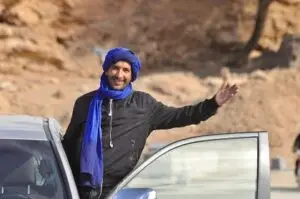
Rachid Aitali
Expert Guide
Join us For Your Dream Experience